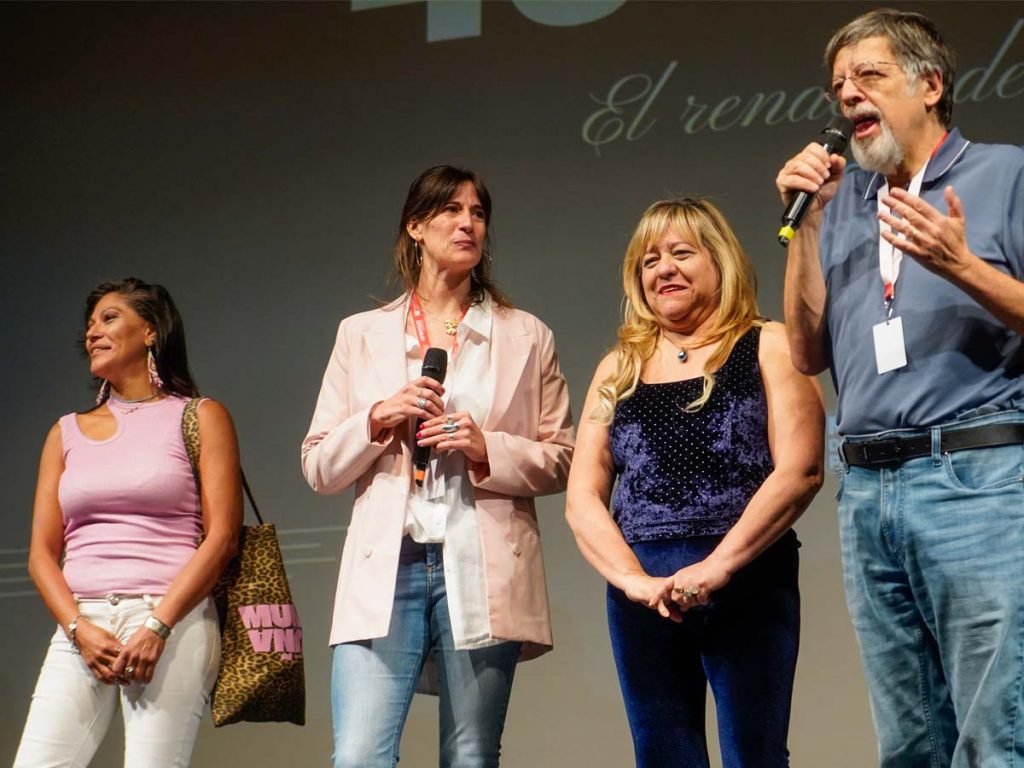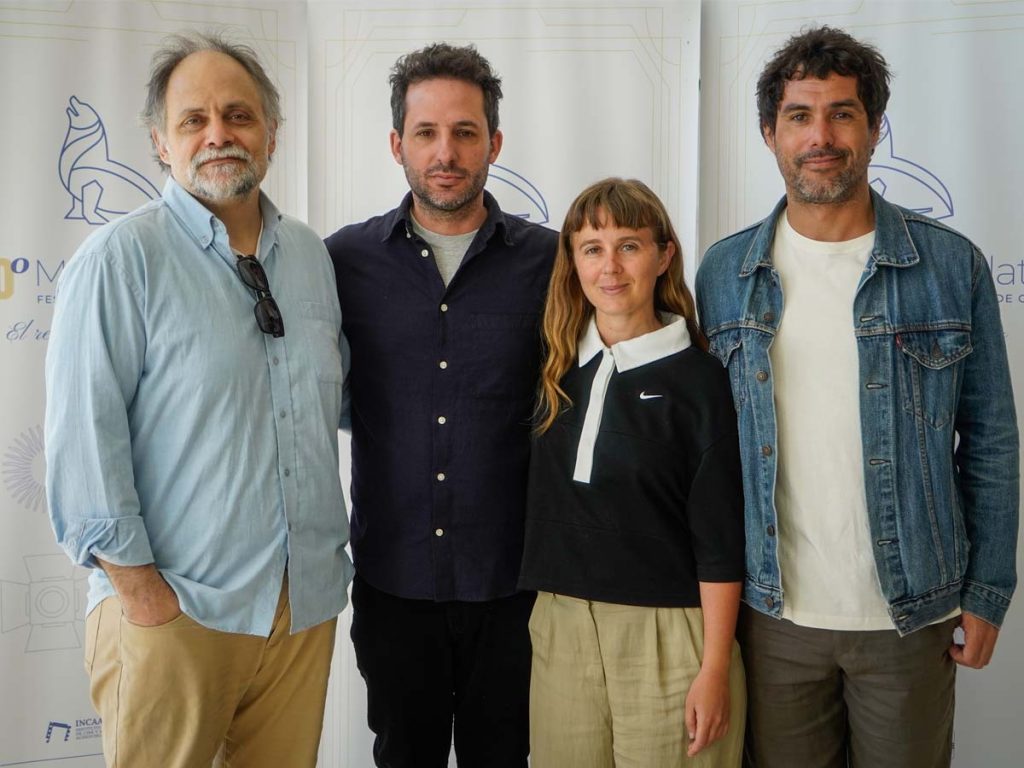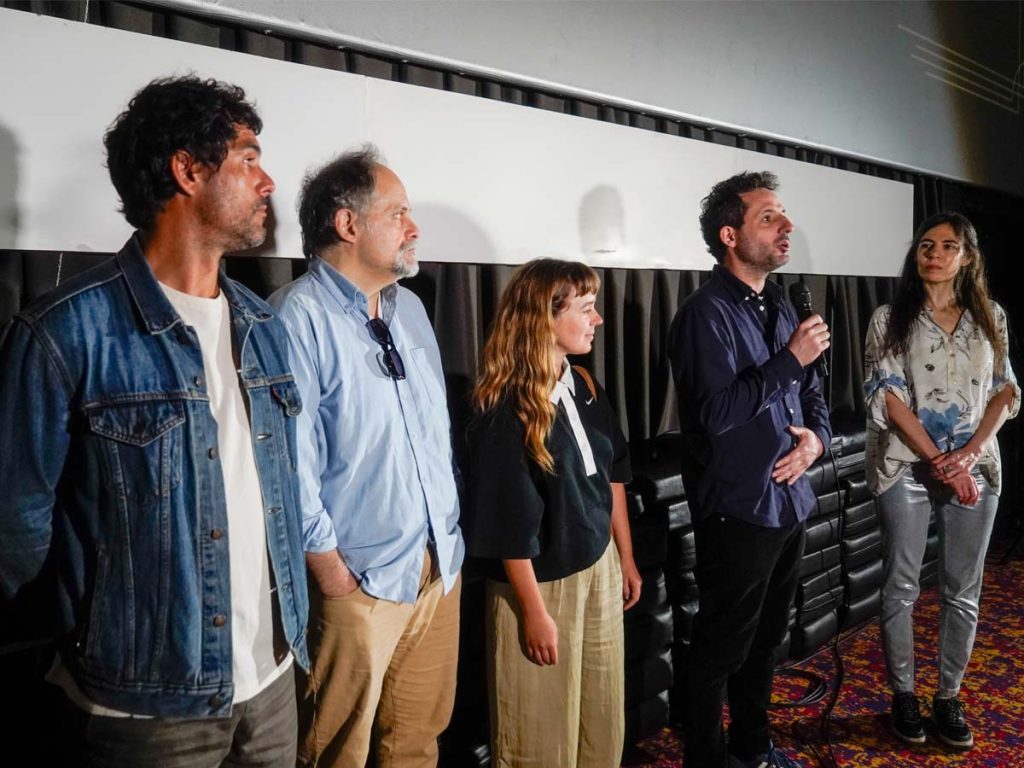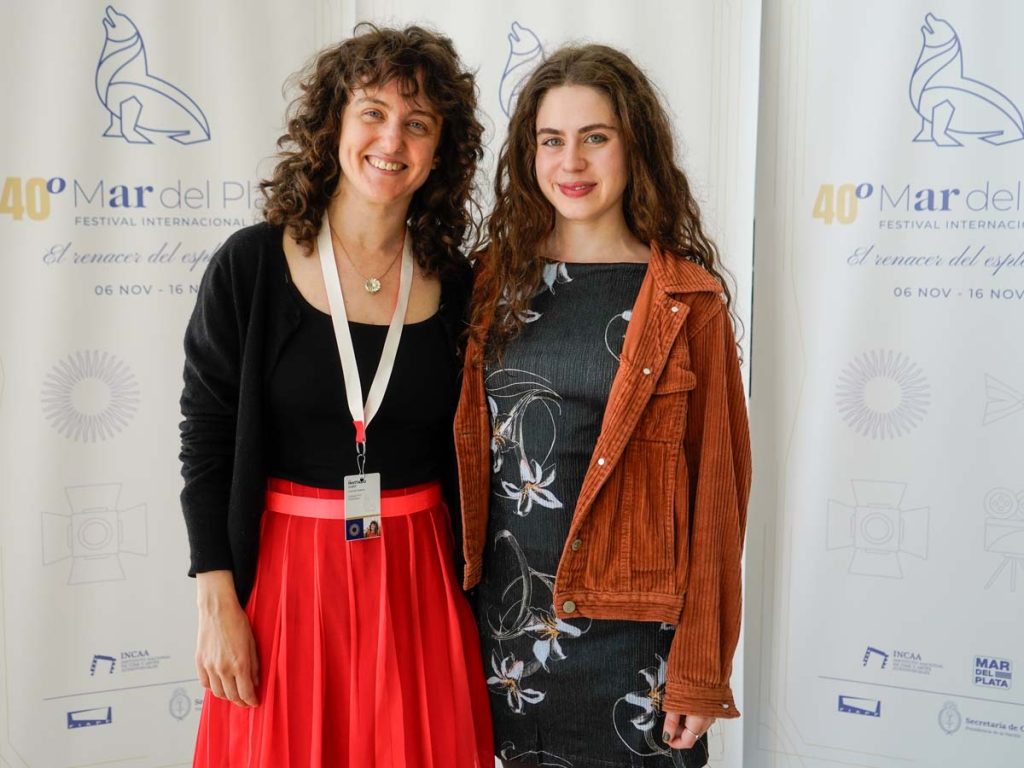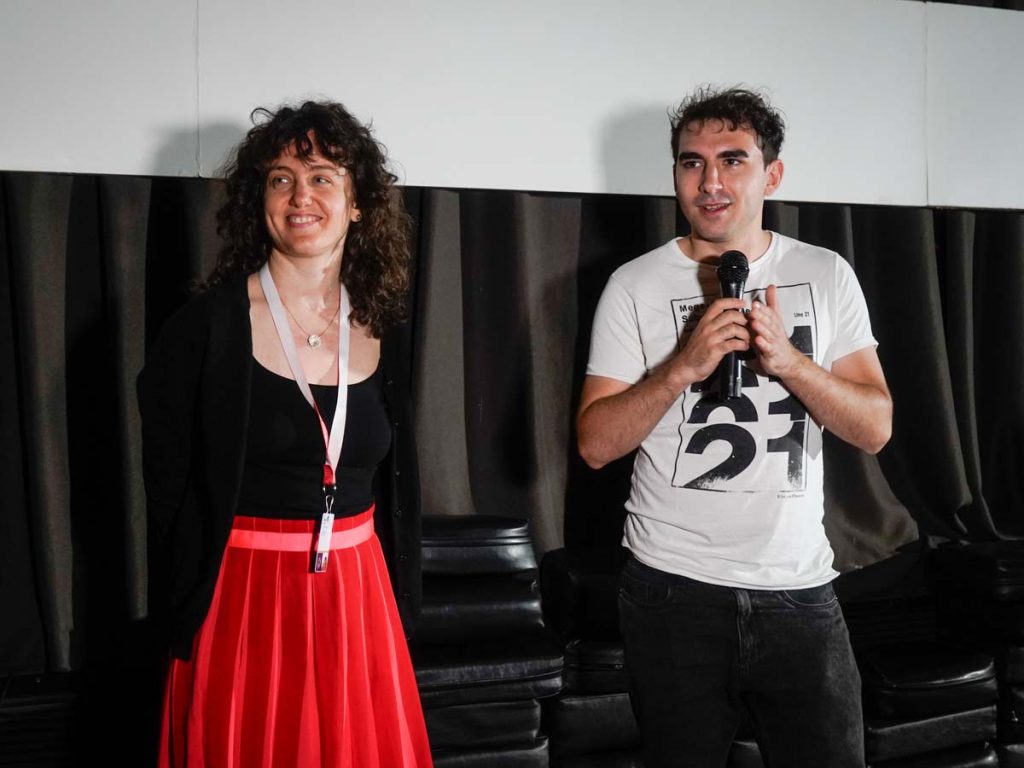
During the sixth day of this international event—supported by the Secretariat of Culture of the Nation—audiences enjoyed memorable moments brought by a series of exceptional films.
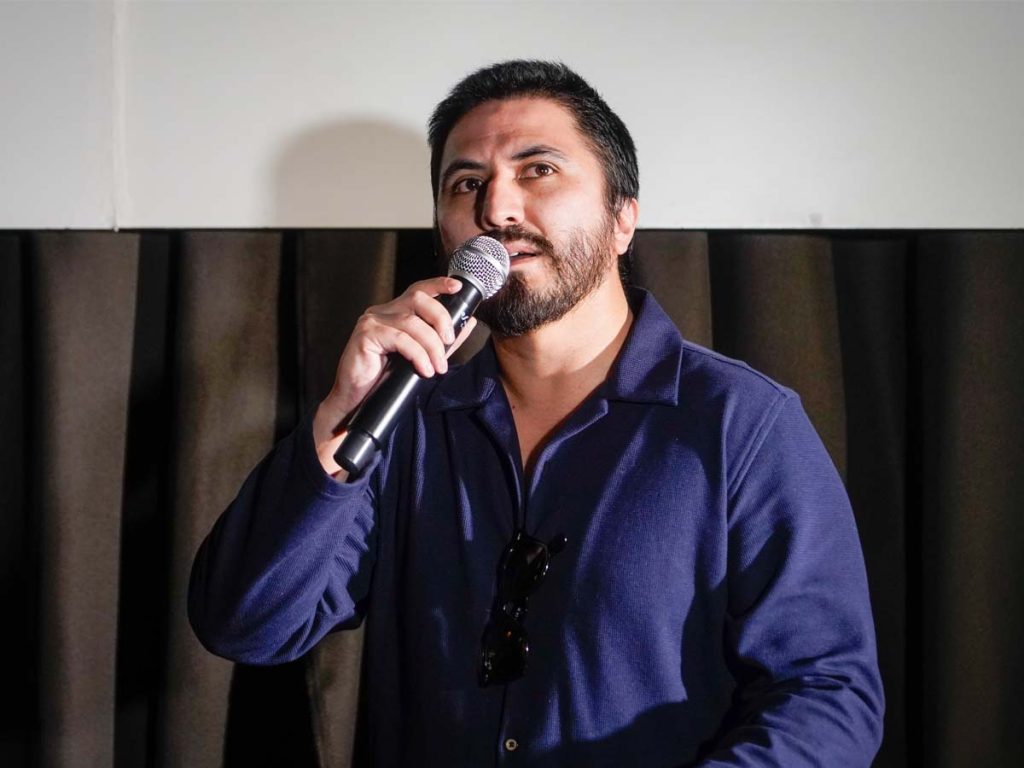
On Wednesday morning, Perros by Gerardo Minutti was screened as part of the Latin American Competition at Cine Paseo Aldrey. During the presentation, the director was joined by actor Néstor Guzzini, who stated: “Acting helps us empathize with others. The exercise of representation is immensely valuable.”
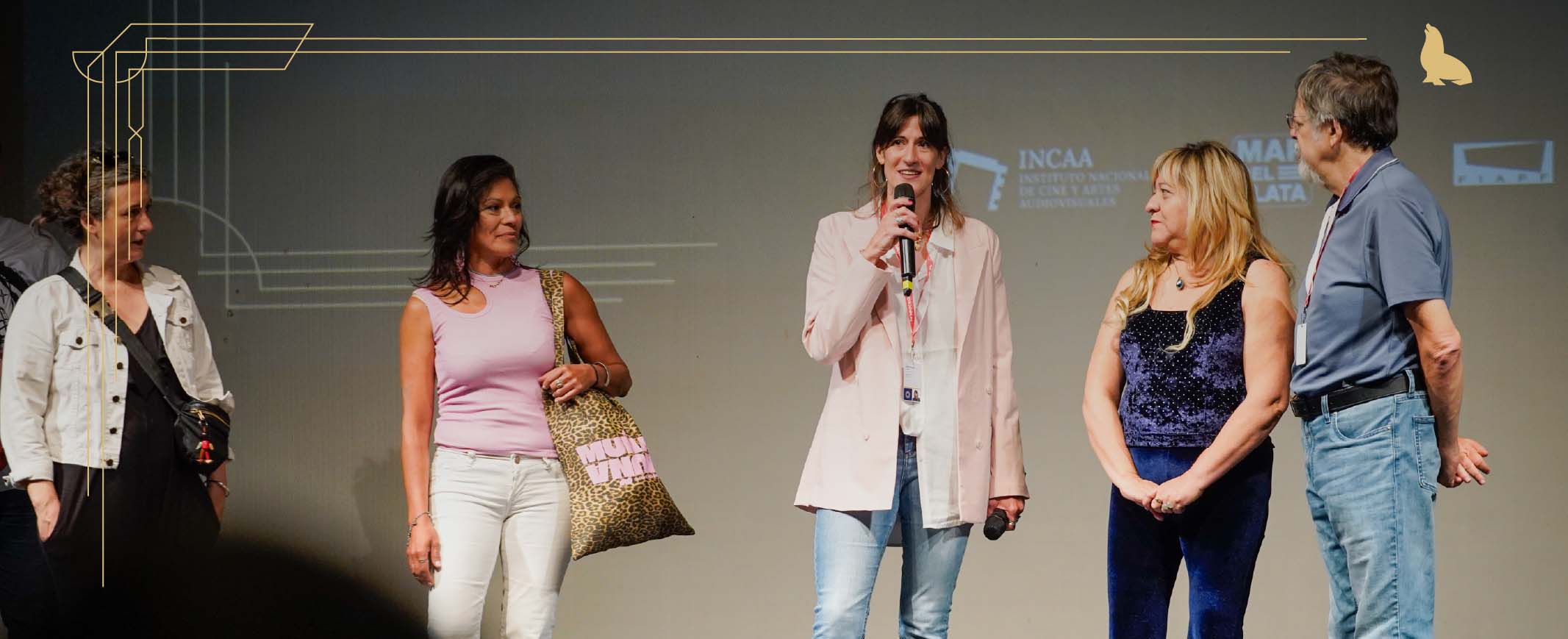
Simultaneously, in the Argentine Competition, Tres tiempos by Marlene Grinberg was shown. As for the International Competition, this time it was Paula Morel Kristof’s turn with her debut film as director and screenwriter: Muña Muña.
The film follows Olga, a 60-year-old nurse living in El Mollar, a beautiful valley in the province of Tucumán, Argentina. She has lived alone for years with her son Rubén, a young man full of dreams who is about to move abroad to pursue his studies. While Olga helps him gather the money he needs to leave, she meets Stefano, a younger French tourist. The looming solitude and this new romantic relationship awaken in Olga contradictions and questions about her own long-delayed desire.
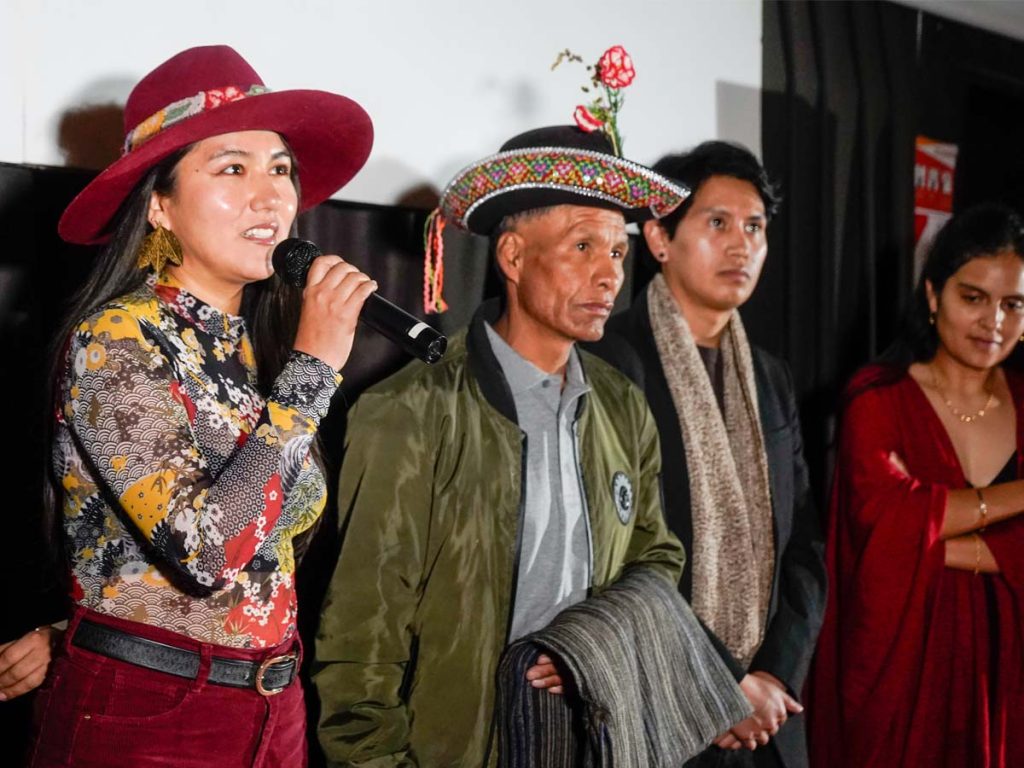
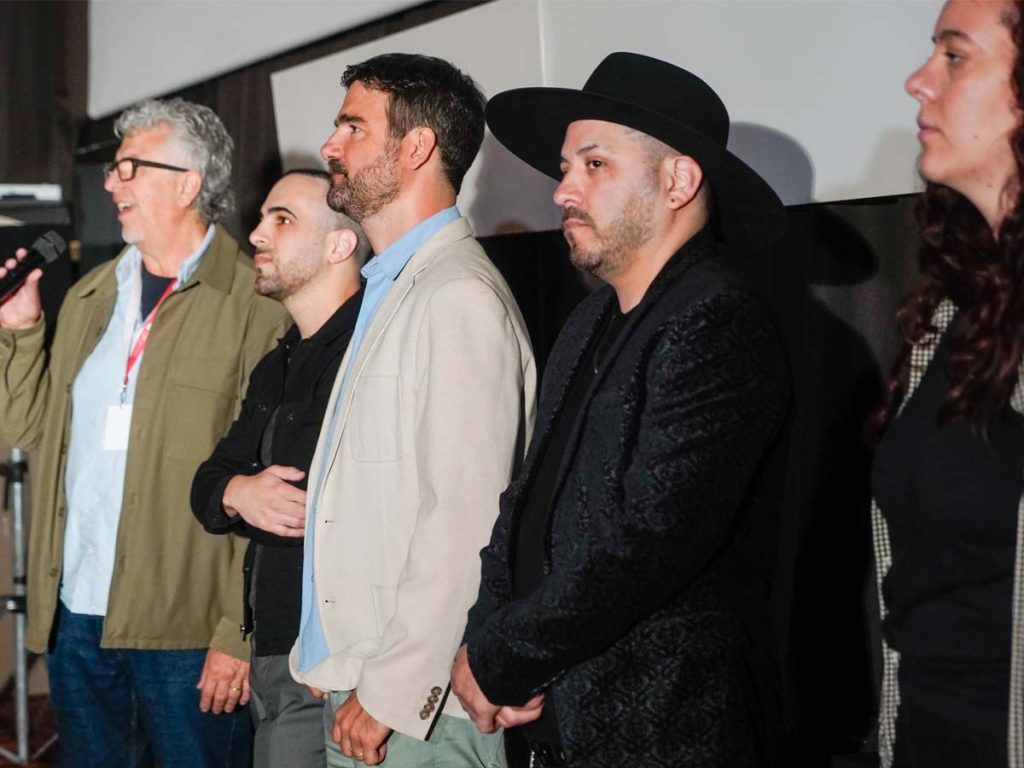
Another highlight of the afternoon was the presence of the directors and artists behind six short films featured in the Latin American Short Film Competition: Presépio by Felipe Bibian (Brazil), Entre tormentas by Fran Zayas (Puerto Rico), Época de plagas by Gabriela Calvache (Ecuador), Domingo familiar by Gerardo del Razo (Mexico), Kusi sonríe by Sisa Quispe (Peru), and Hasta pronto by Jennifer Skarbnik López (Mexico).
After the screening, the audience engaged in a conversation with the directors and artists who traveled from their home countries to present and discuss the process behind each project. They also thanked the Festival for “being a window through which we can share our stories.”
As the day drew to a close, it was once again time for the Argentine Competition, with El hombre de la luna by Rodrigo Pérez Green. This 72-minute fiction film tells the story of Marcos Aguirre, a writer and poet searching for answers after a suicide attempt leaves him hospitalized in a psychiatric institution. There, his only company is Julieta, his wife, who passed away a year earlier. While the hospital proposes a treatment plan, Mariana, a former patient, encourages him to rebel.
Finally, the late-night slot featured the Hora Cero section. Non-competitive and dedicated to genre and cult cinema, it screened El mal, a Spanish fiction film by Juanma Bajo Ulloa. The film follows an ambitious journalist who is contacted by a disturbing figure offering her the chance to achieve long-desired success by writing a book about his “talent”: being the greatest killer in history.
Beyond the screens, the Festival is also distinguished by the appeal of its Special Activities, which include Masterclasses, roundtables, book presentations, special screenings, and seminars on new criticism. On Thursday, November 13, and Friday, November 14, audiences will be able to enjoy major presentations by legendary guests at the Rambla Hall of the Casino Central. On Thursday at 11 a.m., the public will attend Panorama of Cultural Management, featuring directors of national festivals. On November 14, at 4 p.m., the guest will be artist Francesc Orella, presenting From “Merlí” to “Emergency Exit”: Philosophy, Youth, and the Screen, followed by Croatian Roots in Argentine Cinema, with the participation of Candela Vey, Martín Miguel Pereira, Clara Kovacic, and Duska Paravic.